Full-Spectrum Dental Services: Essential Facts for the Best Oral Health
Wide-ranging dentistry services are fundamental in reaching and sustaining peak oral health. Regular check-ups and preventive care can uncover concerns before they worsen, limiting the requirement for complex procedures. Urgent dental care addresses pressing dental concerns, while cosmetic dentistry can improve a person's look and confidence. Knowing the range of available treatments and choosing an appropriate dental professional is key. Taking action from this point could result in meaningful advancements for individual oral hygiene and health.
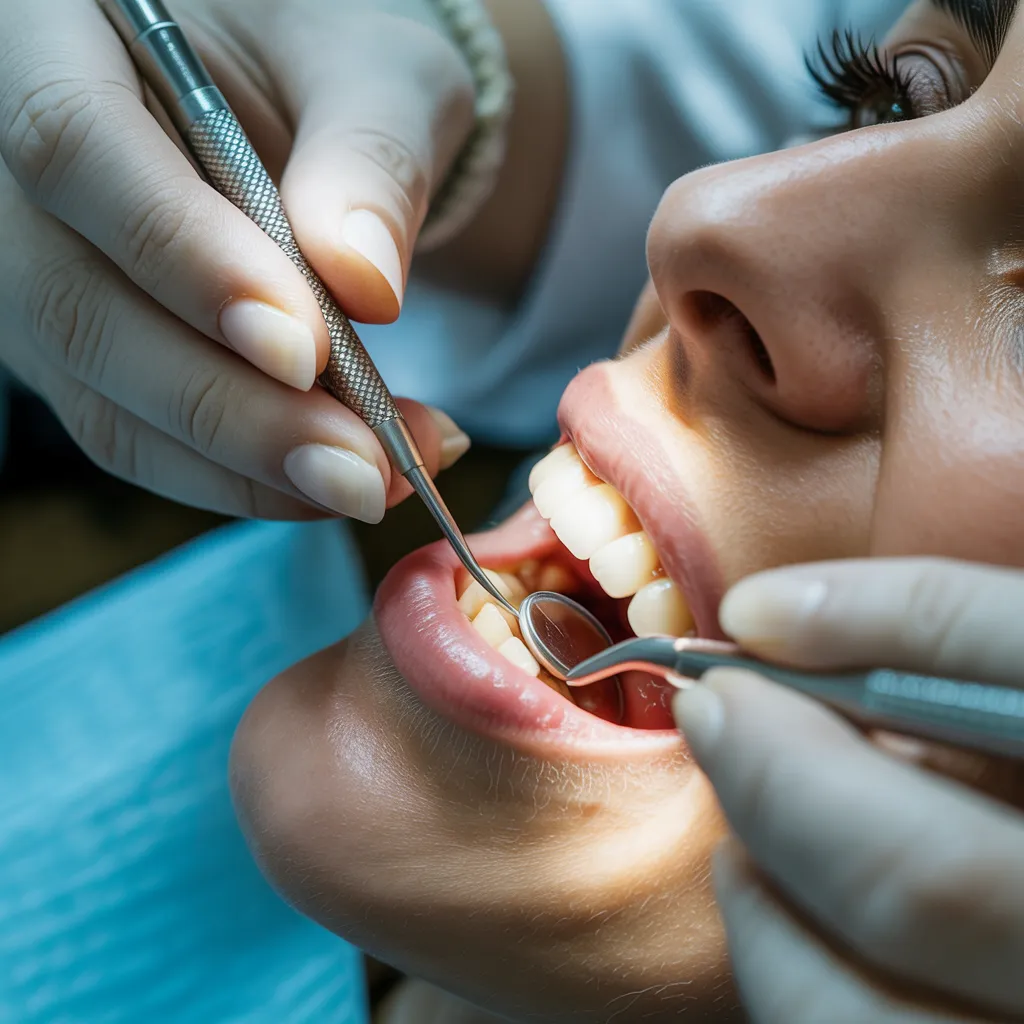
The Significance of Routine Dental Examinations
Despite being frequently overlooked, routine dental visits are critical for preserving optimal oral health. Such appointments enable dentists and hygienists to monitor the condition of the teeth and surrounding tissues, identifying potential issues before they escalate into serious problems. Timely identification of cavities, gum disease, or other oral health concerns often enables more efficient and conservative treatment options.
Moreover, dental visits commonly consist of professional teeth cleanings that eliminate plaque and tartar, lowering the possibility of decay and ensuring fresh breath. They also create an opportunity for patients to obtain personalized advice on effective oral hygiene techniques suited to their unique needs.
Moreover, these appointments foster a trusting relationship between people and their dental providers, facilitating open discussion about any worries. Regular dental check-ups over time enhance long-term oral health, ensuring that individuals enjoy a bright smile and overall well-being throughout their lives.
Grasping the Concept of Preventive Care and Its Benefits
Preventive care serves a vital role in maintaining ideal oral health. Scheduled cleanings, together with sealants and fluoride treatments, substantially decrease the risk of tooth decay and gum disease. Understanding these benefits empowers individuals to make informed decisions about their dental care.
The Significance of Routine Cleanings
Routine dental cleanings serve as a foundation of optimal oral health, highlighting the value of preventive care. These professional cleanings, generally advised twice a year, help remove plaque and tartar buildup that regular brushing may miss. Through managing these elements, patients can considerably minimize the likelihood of cavities, periodontal disease, and other dental problems. Moreover, professional cleanings permit dental providers to recognize initial signs of developing issues, facilitating early intervention. This proactive approach not only maintains a healthy smile but also contributes to overall well-being. People commonly enjoy fresher breath and an enhanced appearance after cleanings, affirming the emotional rewards of consistent dental visits. Ultimately, investing in regular cleanings fosters a lifetime of peak oral health.
Sealants And Fluoride Benefits
When considering methods for supporting dental health, the advantages of fluoride treatments and dental sealants are clear. A dental sealant is thin coatings administered to the chewing surfaces of posterior teeth, effectively protecting against tooth decay by sealing grooves where bacteria and food particles tend to collect. This preventive measure is particularly beneficial for young patients, as the back teeth of children are often more susceptible to decay.
Fluoride treatments, on the other hand, strengthen tooth enamel, making it more resistant to acid attacks from plaque and foods. Regular use of fluoride can greatly reduce the risk of cavities. When used together, sealants and fluoride form a complete approach to preventive dental care, encouraging long-term oral wellness and limiting the demand for more complex dental procedures in the years ahead.
What to Expect During Your Regular Dental Check-Up?
A standard dental visit typically involves a number of important steps meant to monitor and support proper oral health. First, the oral health specialist carries out a detailed examination of the teeth, gums, and oral cavity to uncover any problems such as cavities, gum disease, or oral cancer. Subsequently, a comprehensive cleaning is conducted, which consists of the removal of plaque and tartar buildup, teeth polishing and smoothing, and detailed flossing to enhance overall gum wellness.
X-rays might additionally be obtained to reveal underlying conditions that are unable to be seen during the dental examination. The dentist may review customized oral hygiene routines and diet-related suggestions adapted to suit the patient's individual requirements. Furthermore, any needed dental treatments or preventive measures, such as protective sealants or fluoride treatments, may be proposed. Overall, consistent check-ups are crucial for the early identification of possible concerns, promoting lasting oral health and preventing more serious complications.
Emergency Dental Treatment: Key Services You Should Know About
Emergency dental care is essential for addressing urgent situations that can arise unexpectedly. Typical dental emergencies involve intense pain, fractured teeth, and infections, each of which demands prompt treatment. Understanding how to act and where to locate emergency dental professionals can greatly impact the results of treatment.
Usual Dental Emergencies
Dental emergencies may develop suddenly, often causing significant pain and anxiety. Frequent dental emergencies encompass severe toothaches, which may suggest underlying infections or cavities, and knocked-out teeth, requiring prompt action to increase the chances of saving the tooth. Chipped or broken teeth can likewise cause discomfort and may necessitate immediate care. Additional concerns include abscesses, which can produce swelling and elevated temperature, and dental appliances that fracture or fail. All of these situations demand prompt care from a dental expert to prevent further issues and ease pain. Understanding these frequent emergencies allows people to act appropriately, making certain that excellent oral health is sustained and reducing the risk of permanent damage.
Emergency Care Procedures
Comprehending emergency care protocols is vital for managing dental emergencies effectively. When a dental emergency takes place, swift response can greatly mitigate damage and ease suffering. Common procedures include supporting a weakened tooth, washing an avulsed tooth in salt water, and placing a cold cloth to decrease puffiness. For intense discomfort, over-the-counter analgesics may deliver momentary ease until dental treatment is obtained. In cases of bleeding, placing steady force with a sterile gauze can help control it. Recognizing the seriousness of the circumstance is vital; some issues may necessitate prompt expert examination. In the end, understanding of these urgent measures allows patients to act swiftly, guaranteeing optimal results in dental emergencies.
How to Find Emergency Dentists
Identifying the search for emergency dentists can be daunting, especially during a dental emergency. Patients often face sudden dental problems, such as acute pain, broken teeth, or infections, necessitating immediate attention. To find an emergency dentist, one can commence by searching online directories and dental association websites. Examining reviews and testimonials can offer insight into a dentist's standing and quality of care. It's also advantageous to request recommendations from friends or family. Knowing a dentist's office hours and whether they accept walk-ins is essential, as many emergencies occur outside regular hours. Additionally, some dental practices offer 24/7 services, providing prompt care when needed most, thereby easing the stress of unexpected dental emergencies.
Choosing the Right Cosmetic Dental Procedure for Your Smile
What is the best way to determine the most appropriate dental cosmetic treatment to enhance their smile? Individuals seeking cosmetic enhancements should begin by evaluating their particular needs and objectives. A meeting with a skilled dental professional can offer helpful guidance, helping to identify options such as orthodontics, teeth whitening, or dental veneers.
Moreover, aspects such as the state of one's teeth, financial considerations, and expected results hold significant importance in the evaluation process. For instance, people with stained teeth may find improvement with professional whitening options, while people with alignment issues might look into orthodontic braces or aligners.
It is essential to consider the pros and cons of each procedure and be aware of the potential healing time involved. Conducting research and seeking recommendations can further inform choices, ensuring patients select a treatment that matches their cosmetic goals and dental health. At the end of the day, the ideal cosmetic dental procedure can considerably improve one's overall confidence and appearance.
Expert Dental Solutions: A Guide to Root Canals, Implants, and Additional Treatments
Advanced dental treatments encompass a variety of treatments aimed at support and strengthen dental health. Among these, root canals are essential for saving teeth affected by advanced decay or dental infection. The treatment consists of eliminating the infected pulp material, thoroughly sanitizing the canal, and sealing it to avoid additional complications.
Dental implants mark another remarkable milestone, delivering a long-term answer for tooth loss. They consist of titanium posts surgically inserted into the jawbone, functioning as synthetic roots for crowns that reinstate both performance and visual appeal.
Other advanced treatments can include periodontal treatment for gum-related conditions and oral surgical interventions for challenging cases. Every one of these interventions necessitates expert knowledge and technical skills, highlighting the critical need for skilled dental professionals. With these specialized treatments, patients can achieve better oral health outcomes, improved function, and greater smile confidence. Being aware of these choices enables patients to make well-considered decisions concerning their dental treatment plan.
How to Choose the Right Dental Provider for Your Needs
Selecting the best dental provider can greatly influence a person's oral health journey. Patients should examine several factors to ensure they obtain ideal care. Initially, reviewing credentials and experience is vital; a qualified dentist should maintain proper licenses and have specialized training suited for specific needs.
Moreover, examining the selection of dental services provided can aid in identifying if a dental provider suits personal oral health goals, including routine check-ups or complex procedures.
Furthermore, logistical factors such as geographic location, office schedule, and booking availability should be taken into account, as these factors can determine how frequently regular appointments are made.
In addition, reviewing online feedback and requesting suggestions from reputable sources can provide valuable insights into a provider's standing and level of patient satisfaction.
Finally, discussing financial considerations and insurance options can support an educated choice. By carefully examining these elements, people can choose a dental care provider that best meets their unique needs.
Questions We Often Receive
When Should I Replace My Toothbrush?
Experts recommend changing your toothbrush every three or four months, or sooner if bristles become frayed. Regular replacement promotes efficient cleaning and supports oral hygiene, reducing the risk of plaque accumulation and maintain overall dental health.
Is It Safe for Children to Have Dental X-Rays?
Dental x-rays are broadly recognized as safe for complete info children when carried out appropriately. They emit minimal radiation, and safety measures, including lead aprons, are applied. Consistent monitoring safeguards their dental well-being while limiting exposure to potential hazards.
What Foods Should I Stay Away From for Better Oral Health?
To enhance dental well-being, individuals should avoid sweet snacks, acidic foods, and sticky items that cling to teeth. Cutting back on carbonated drinks and decreasing the intake of processed carbohydrates also contributes positively to maintaining better dental hygiene and overall health.
Is My Dental Health Affected by Stress?
Stress can significantly affect oral health by leading to teeth grinding, jaw clenching, and poor oral hygiene practices. These actions often contribute to increased wear on teeth, gum disease, and other dental issues over time.
How Can I Handle Dental Anxiety Prior to Appointments?
To overcome anxiety about dental visits before appointments, individuals can try controlled breathing methods, picture positive results, discuss worries with their dentist, plan calming appointments, or try relaxation and mindfulness methods to cultivate tranquility and minimize stress while undergoing dental care.
Comments on “Why a Dental Appointment Helps Prevent Problems”